What the Loyalty Decline Means for Fast Food Brands and Their Consumers
05 May 2025
Share this article


Fast food is at a pivotal crossroads. A significant shift in consumer behavior is transforming the way brands approach marketing and customer engagement. With diners now prioritizing variety and value, brand loyalty is becoming increasingly elusive, forcing chains to rethink their strategies to stay relevant in a highly competitive market.
According to the National Restaurant Association, recent data reveal three striking trends
Together, these figures show that consumer behavior in the fast food sector is more fragmented than ever. Demand continues to grow while loyalty weakens. Customers still value quick and affordable meals, but they make choices based on local factors such as proximity, promotions, and menu variety.
Many brands rely on broad national strategies that treat every market the same. However, fast food consumer behavior varies significantly by region. In some areas, diners return to one or two familiar chains. In others, they try three, four, or more options regularly. Applying these local insights to audience targeting, creative strategies, media mix, and budget allocation improves relevance and performance. For maximum ROI, let the preferences of local consumers guide your campaign planning.
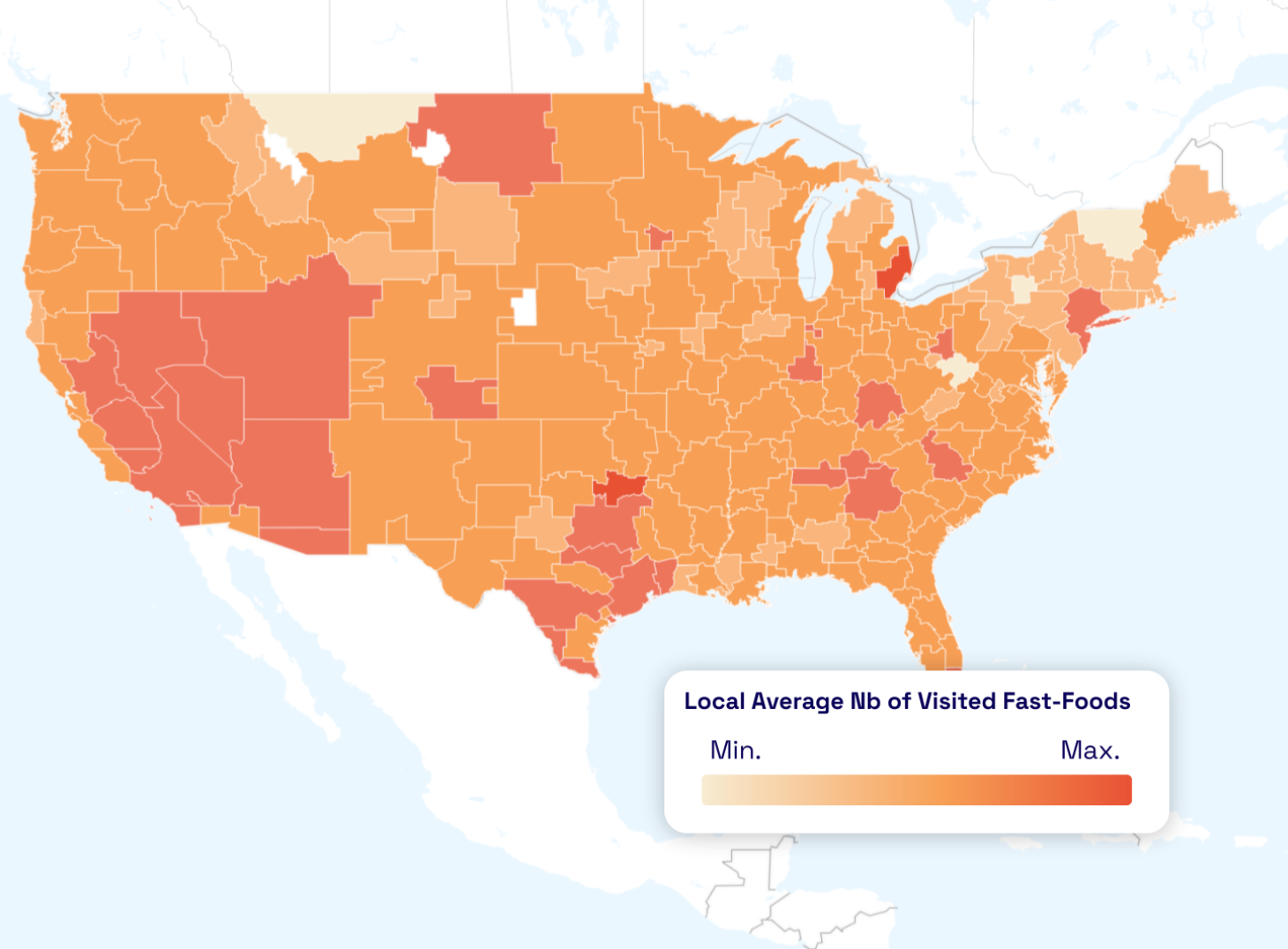
Understanding localized consumer data, like demographics, interests, behaviors, and brand preferences allows you to precisely target your high-potential shoppers. Four core segments have emerged:
• Hungry Nine-to-Fivers (reach 157 million) value speed, affordability, and convenience at midday
• Fast Food Lovers (reach 110 million) dine frequently yet still explore new offers
• Hungry Youngsters (reaching 180 million) expect seamless mobile ordering and delivery
• Families with children (reach 129 million) seek budget-friendly meal solutions
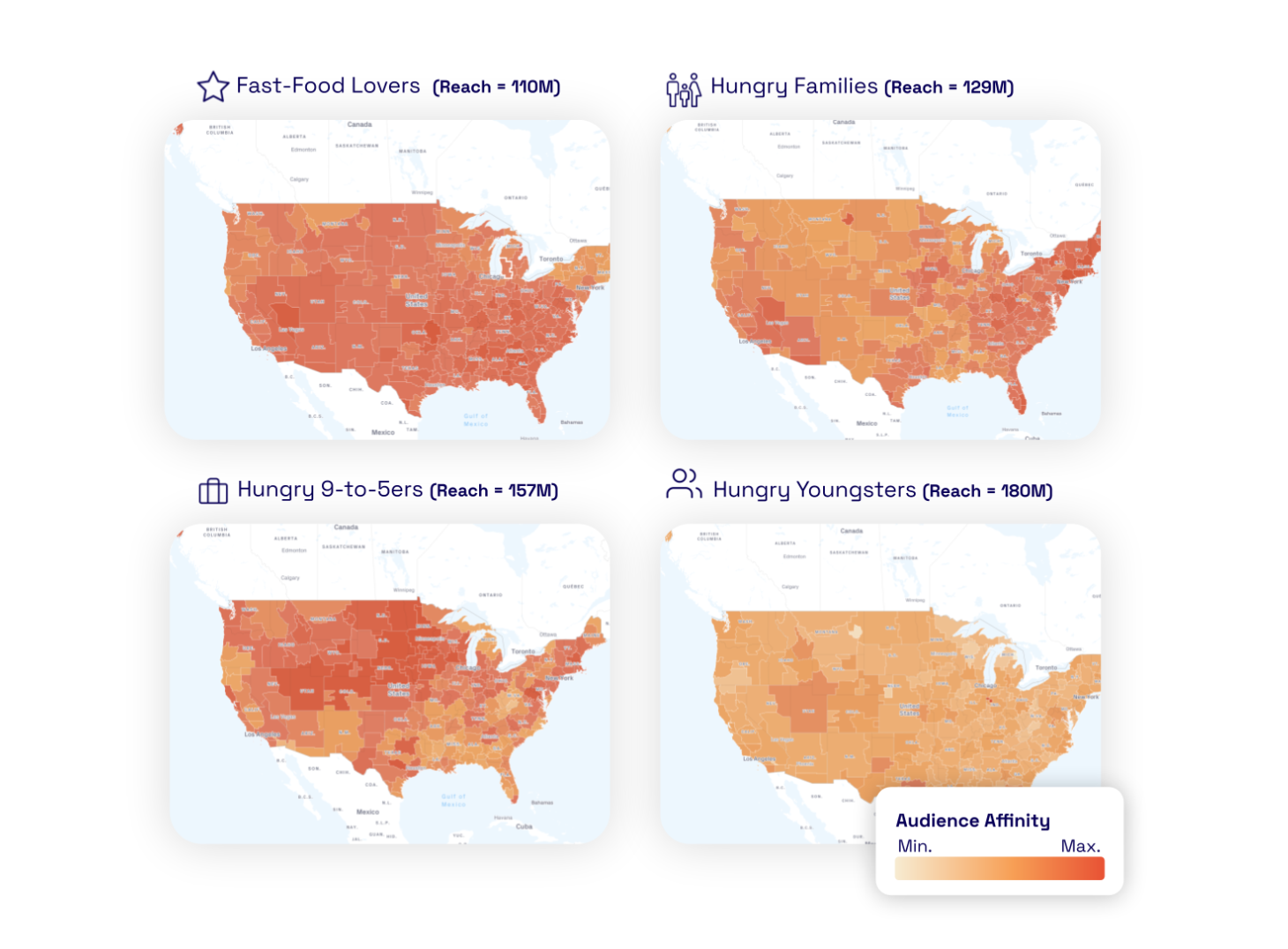
Brands that tailor campaigns to specific consumer segments see significant improvements in engagement, conversion, and loyalty. Personalization resonates more deeply with customers, driving stronger results and better ROI as consumers increasingly expect relevant, individualized experiences. Brands that align with these localized personzliation strategies see clear uplifts:
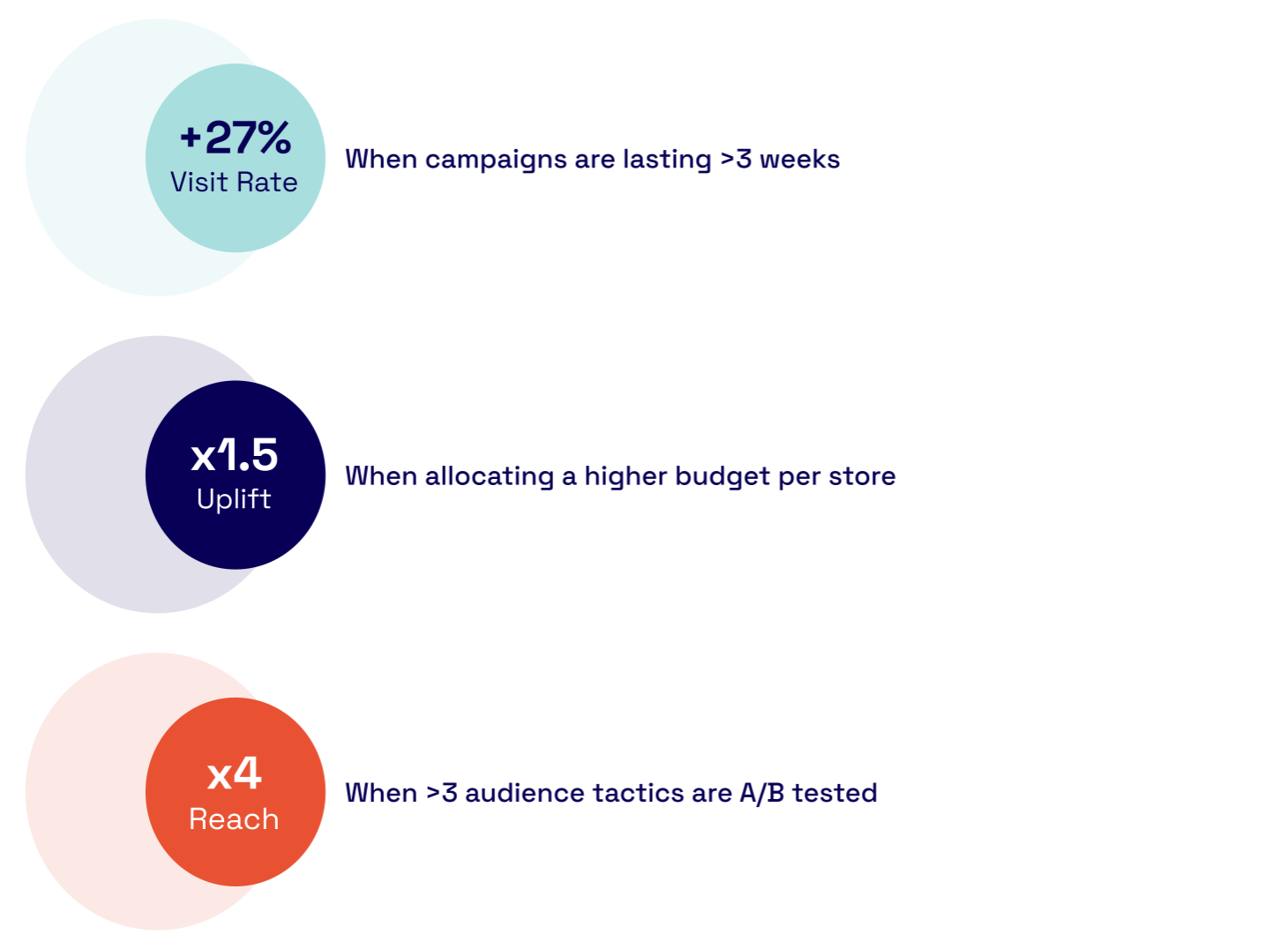
As loyalty fades, success depends on relevance, personalization, and agility. QSR marketers should leverage local behavioral data to refine media channels and creative assets. They must segment audiences by motivations and dining occasions. They should measure results in real time and adjust budgets at the store level. This data-driven approach ensures campaigns meet evolving consumer needs and support sustainable growth.
The decline in loyalty sends a clear message to QSR brands. Adapting to shifts in fast food consumer behavior with localized insights and personalized campaigns is essential for staying competitive. Explore our success stories and book a demo today.